
PRIVATE PLEASURE
SHOULD MUSIC HAVE TO PAY THE BILLS

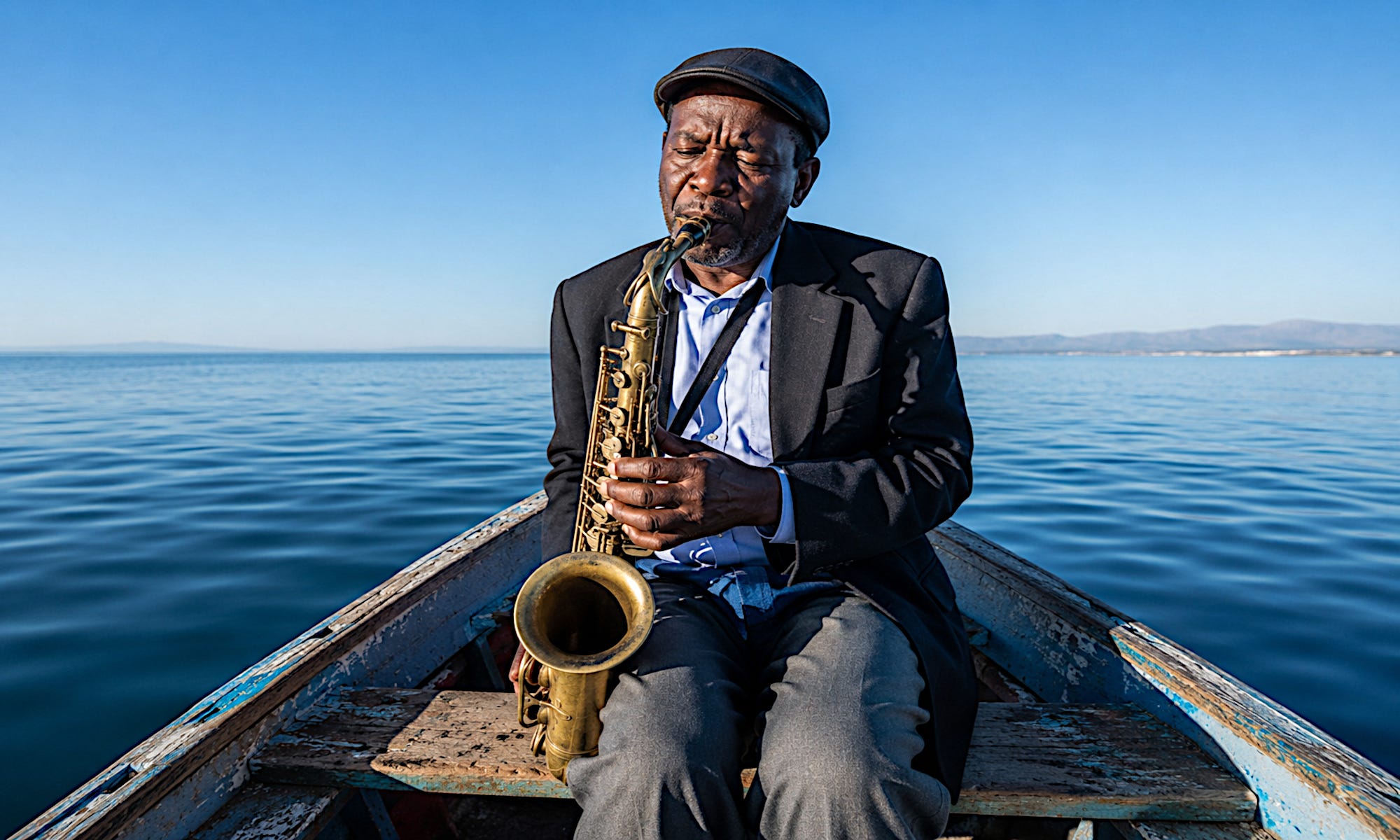
Over dinner the other night I had an argument with another artist’s manager; someone I usually agree with on most things. This time we didn’t. We were talking about musicians and money.
My friend felt that good musicians should be able to earn a living from music come what may. He thought it was unfair that so many talented people couldn’t survive financially from something they’d devoted years to learning. I said that was nonsense.
If you can earn a living doing something you love, that’s wonderful. But just because you love it, and do it well, that doesn’t give you a right to earn a living from it. You might be good at standing on your head, or balancing Maltesers on your nose ⏤ you may have spent years training to do it ⏤ but don’t expect the world to pay you for it.
Music matters enormously. Probably more than most things. But that doesn’t mean the market owes musicians a living. If you’re a musician, and enough people want to hear your music, the economics arrange themselves surprisingly quickly. Clubs book you. Managers appear. Promoters start calling. And somebody finds a way to make money from it.
Robert Fripp once said: “If you love music ⏤ sell Hoovers or be a plumber. Because being a professional musician doesn’t mean you spend 12 hours a day playing music; it means you spend 12 hours a day taking care of business.”
The point is ⏤ playing music and performing music aren’t always the same thing. Some musicians thrive on the exchange with an audience and make it part of the music. Others don’t. In my early twenties, I loved playing jazz with friends. Playing music professionally paid the bills, but it occupied a different part of my mind. I found people’s attention intrusive. Especially their appreciation.
When I first managed The Yardbirds, I assumed my principal job would be to fix performances and maximise live income. But when I sat down to discuss touring with them, they said. “We’re not too keen on it. We just want to make records and enjoy playing.” They loved music but weren’t especially interested in having people watch them play. Later, I managed Sinead O’Connor, who was the opposite. She was passionate about the need to be on stage, to have people watch her; and hear her. Yet she, too, disliked the business behind it.
It’s easy to understand why. Look at what I found on the internet just now ⏤three tips by a leading record executive for new artists coming into the music industry…
1. “Focus first on social media.”
2. “Analyse data and metrics.”
3. “Make sure your brand is cohesive over platforms.”
Do you hear any melody in that? Any rhythm? Any feeling? Music isn’t even mentioned. It’s the equivalent of telling a young chef to forget flavour and focus on “fork-engagement optimisation.”
Music is one of life’s greatest pleasures. It raises the spirits, soothes the soul and repairs emotional damage. It flows freely beyond the barriers of language, religion, nationality, and bigotry. Performing it together ⏤ even just listening to it together ⏤ relieves stress, creates happiness, and can even synchronise our heartbeats. But that often evaporates when music comes into contact with business.
Fifty years ago, to choose the arts as a career was accepted as choosing uncertainty. People became painters or actors or musicians because they felt they needed to. Art was a calling; not a career. Groups like The Beatles, The Rolling Stones, or The Yardbirds didn’t begin as business propositions. They began because they heard records they loved and wanted to recreate those same sounds.
Playing music was the reward. The audience came later. Nowadays, young musicians begin at the other end. When they form a group, they’re already thinking about management, streaming numbers, branding, and festival slots. They’re thinking business before music.
If you’re chasing fame; if you crave admiration and want to stand on a stage feeling special ⏤ that’s fine ⏤ you can chase it by using music. But what about people who love music but aren’t looking for fame?
Glenn Gould, the Canadian classical pianist, famously quit performing at 30. He called concerts “a blood sport” and audiences “a force of evil.” He wanted music to be a private matter; he wanted to be able to play for himself, alone, uninterrupted by coughing.
Pop and rock have seen similar retreats from performance. Andy Partridge of XTC hated the stage and turned his band into a studio-only entity. Sly Stone did the same. Sade wasn’t shy about telling people how much she disliked public performance: “Endlessly singing the same songs over and over again.” Even Pete Townshend admits: “I don’t like being on a stage. It doesn’t fill my soul in the way you see some performers.”
For many people, music is best experienced alone ⏤ at home, or in a studio. A relationship, not a performance. The elegance of a melody. The reassurance of a chord progression. The slow unwinding of the self. No audience required. No audience wanted.
None of this means musicians shouldn’t earn money by performing. Many genuinely come alive in front of an audience. They draw energy from it, and the audience draws energy back. Some of my best musical experiences have been watching exactly that. But others have been where musicians seemed to forget the audience existed ⏤ like being allowed to sit in on something private.
Performing music is a separate pleasure from loving it. If performing is what you want, you should do it. And if people will pay to hear you, marvellous. But that’s for the public to decide, not the musician. The healthiest musicians are the ones who keep playing when no one pays them.
The problem isn’t that some musicians become rich. It’s that their financial success persuades thousands of others that making money is music’s purpose.
FREE WEEKLY UPDATES
CLICK SUBSCRIBE AND LEAVE YOUR EMAIL
Yet another message of thanks for a marvelous piece of writing, Simon, and I love your accompanying pictures.
Music painting both I love